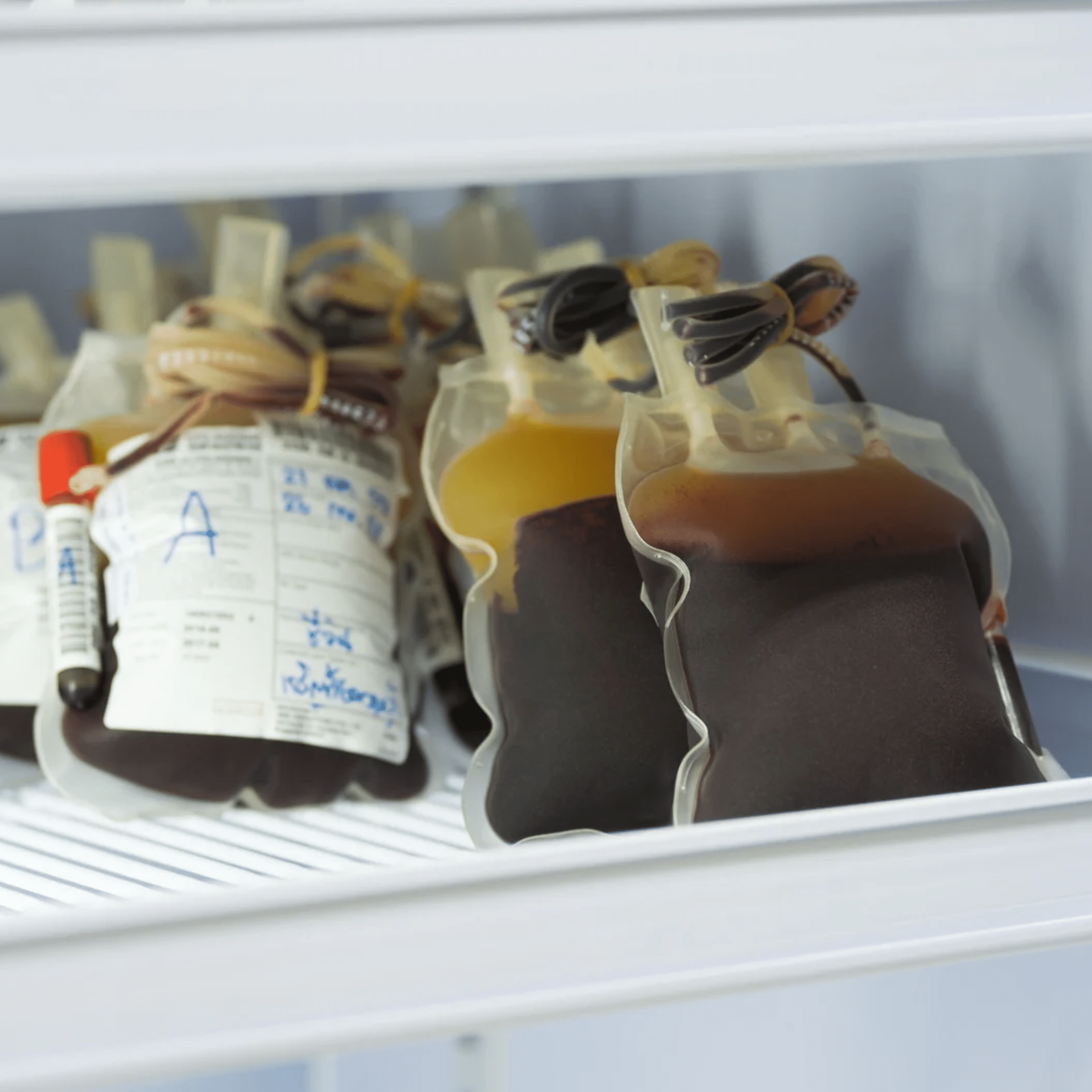
What is the required temperature range for medication fridges? Learn recommended storage temperatures, monitoring practices, and signs of refrigeration problems.
Proper medication storage is essential for healthcare facilities, pharmacies, and medical providers that rely on temperature-sensitive products. Even small temperature changes can affect medication stability, potentially compromising product quality and causing costly inventory losses.
So, what is the required temperature range for medication fridges? Many refrigerated medications require storage between 36°F and 46°F (2°C to 8°C), although requirements vary by product. Always follow the manufacturer’s labeling and any applicable storage regulations.
What Is the Recommended Temperature Range For Medication Refrigerators?
For medications requiring refrigeration between 36°F and 46°F, set the refrigerator near the middle of the allowable range to reduce the risk of temperatures drifting outside acceptable limits.
The Centers for Disease Control and Prevention (CDC) recommends a midpoint setting of approximately 41°F (5°C) for refrigerators used to store vaccines.
Keeping a buffer from the upper and lower limits helps accommodate minor fluctuations during normal operation.
However, not all medications have identical storage requirements. Some require freezing, others have narrower temperature ranges, and certain products must never be frozen. Medical facilities should verify the appropriate conditions for every medication stored.
Why Is Proper Medication Refrigeration Important?
Maintaining the correct temperature range in medication refrigerators helps protect temperature-sensitive products throughout storage.
Improper refrigeration can create several problems:
- Reduced medication effectiveness: Temperatures outside the manufacturer’s recommended range may affect product stability or potency.
- Inventory loss: Medications exposed to improper conditions may need evaluation and may be discarded.
- Patient safety concerns: Compromised medications may not perform as intended.
- Compliance issues: Healthcare facilities must follow applicable medication storage requirements and maintain appropriate records.
Reliable refrigeration is especially important for facilities that store vaccines, insulin, biologics, and other temperature-sensitive medications.
How Should Medication Refrigerator Temperatures Be Monitored?
A refrigerator’s thermostat setting doesn’t necessarily reflect the actual temperature surrounding stored medications. Consistent monitoring is essential for identifying fluctuations before they become serious problems.
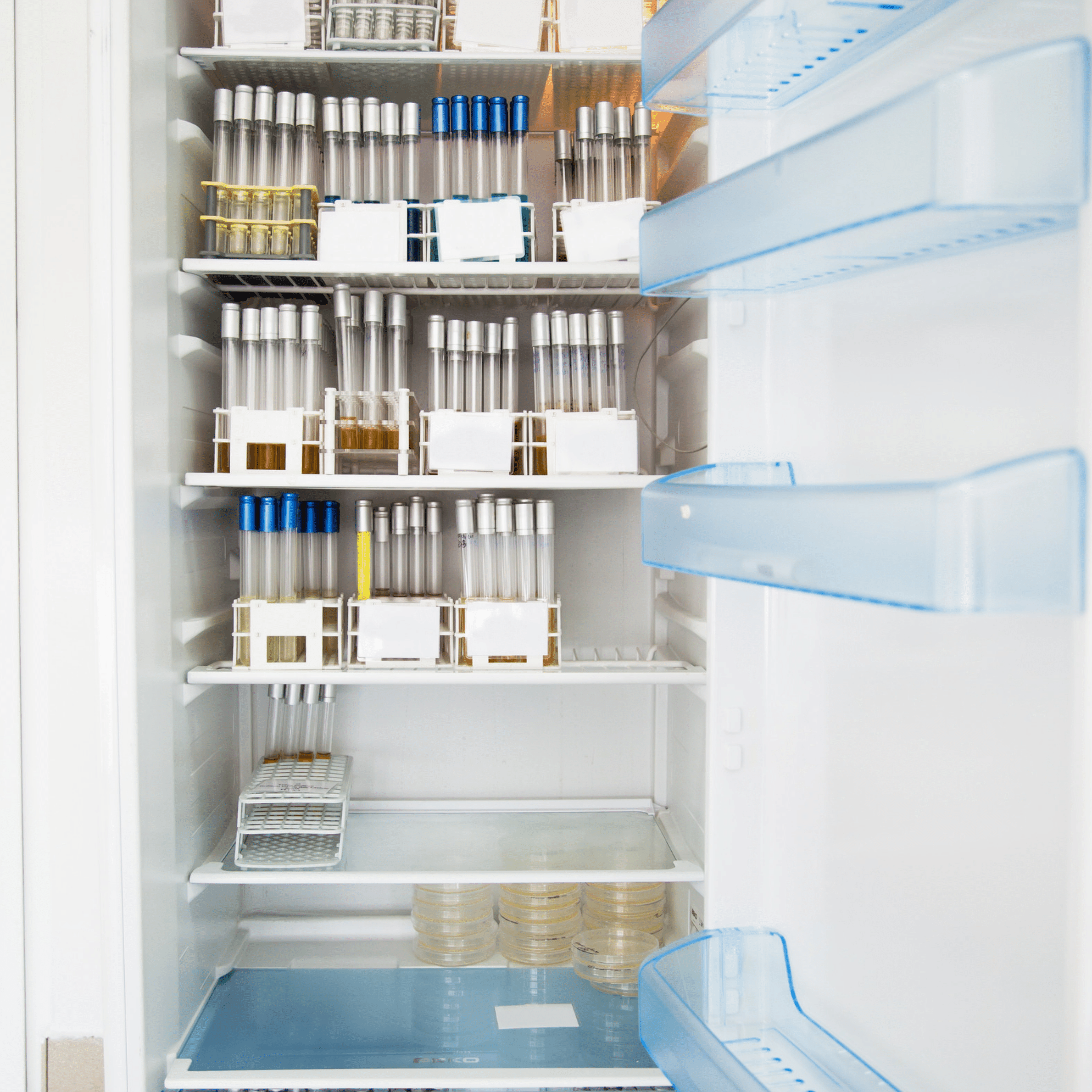
Recommended practices include:
- Use an appropriate temperature monitoring device. A calibrated digital data logger can record temperatures over time and help identify excursions.
- Monitor temperatures regularly. Follow applicable product-specific, facility, and regulatory monitoring requirements.
- Keep accurate records. Temperature logs help facilities identify recurring issues and document storage conditions.
- Avoid overcrowding. Proper airflow helps maintain more consistent temperatures throughout the refrigerator.
- Inspect door seals. Worn or damaged gaskets can let warm air into the unit.
What Happens if a Medication Refrigerator Goes Outside the Required Temperature Range?
A temperature excursion occurs when refrigerated medications are exposed to conditions outside their specified storage limits.
If a refrigerator becomes too warm or too cold, staff should follow the facility’s established procedures and the manufacturer’s instructions.
Depending on the products involved, appropriate steps may include:
- Confirming the temperature reading using the monitoring equipment.
- Documenting the temperature, duration, and circumstances of the excursion.
- Labeling affected medications and separating them from usable inventory without automatically discarding them.
- Contacting the manufacturer, pharmacist, or appropriate medical authority to determine whether the products remain suitable for use.
- Arranging professional refrigeration service if the equipment cannot maintain the required temperature.
For vaccines, the CDC advises against administering affected products until viability is evaluated.
Signs Your Medication Refrigerator Needs Professional Service
Incorrect thermostat settings don’t always cause temperature fluctuations. Mechanical problems can also interfere with a refrigerator’s ability to maintain consistent cooling.
Watch for warning signs such as:
- Repeated high- or low-temperature alarms
- Temperatures that fluctuate significantly or fail to stabilize
- Excessive frost or ice accumulation
- Damaged door gaskets or doors that don’t close properly
- Unusual noises or frequent compressor cycling
- Refrigeration equipment that runs continuously without reaching the required temperature
Addressing these issues promptly can help prevent prolonged temperature excursions and unexpected equipment failures.
Protect Your Medication Inventory With Reliable Refrigeration
Maintaining the correct medication storage temperature requires dependable equipment, consistent monitoring, and timely professional service. Even a properly configured refrigerator can develop performance issues that put valuable medical inventory at risk.
All Temp AC and Refrigeration provides medical refrigeration services and pharmaceutical refrigeration services for healthcare facilities, pharmacies, and other businesses throughout Orlando and Central Florida.
Contact us today to schedule professional refrigeration service and help keep your temperature-sensitive inventory protected.