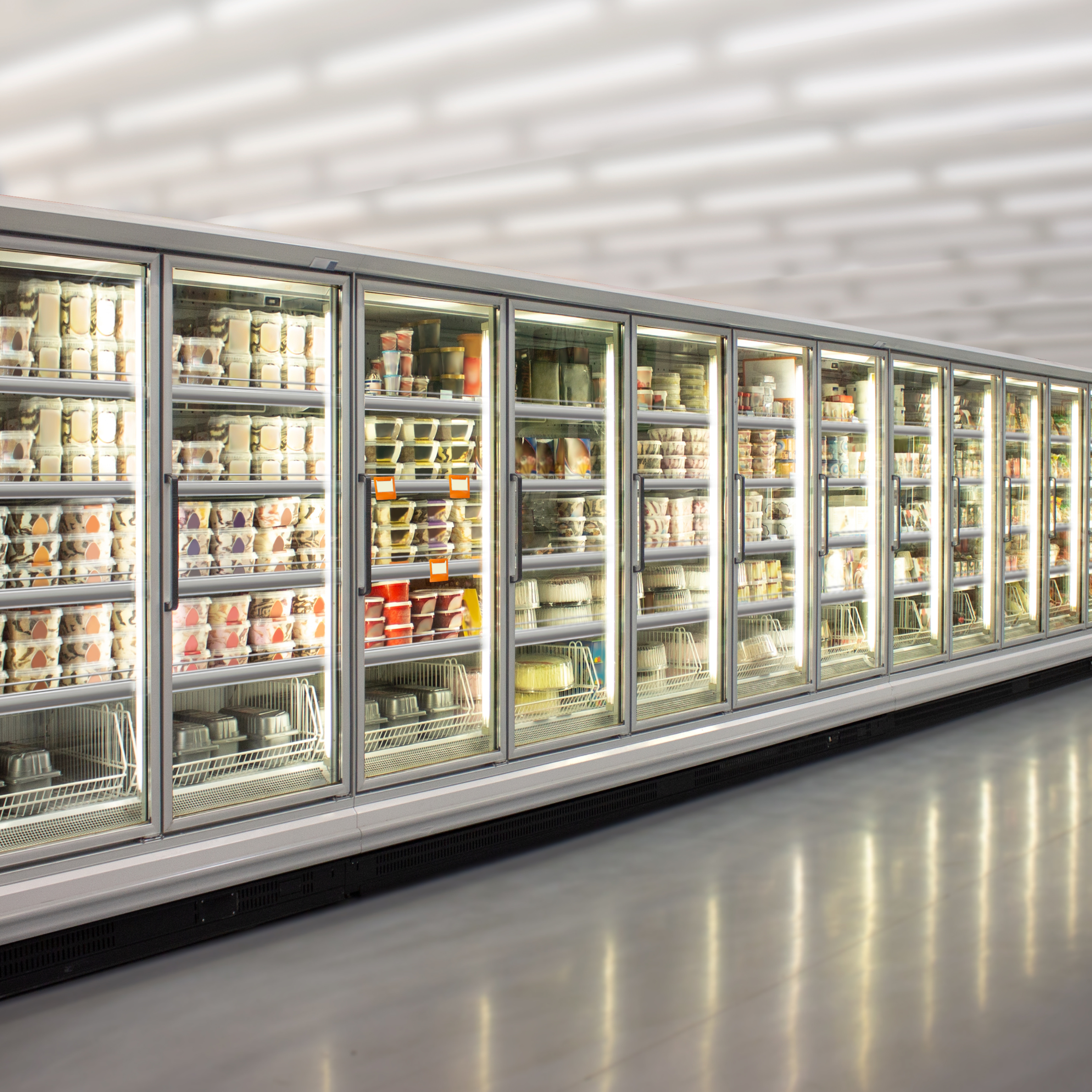
How cold should a commercial freezer be? Learn why proper temperature matters, and what to do if your freezer isn’t maintaining safe storage conditions.
How cold should a commercial freezer be? According to the FDA, commercial freezers should be maintained at 0°F (-18°C) or lower to safely preserve frozen food, maintain product quality, and meet food safety guidelines. Their food storage guidance is a helpful resource for understanding safe temperature practices and preventing foodborne illness.
Why Proper Freezer Temperature Matters
Commercial freezers play a critical role in protecting temperature-sensitive inventory. Even small fluctuations can affect food quality, increase energy consumption, and place additional strain on the refrigeration system.
Maintaining the proper temperature helps:
- Preserve food quality and freshness
- Reduce the risk of foodborne illness
- Meet food safety and health regulations
- Extend the shelf life of frozen products
- Improve equipment efficiency
What Can Cause a Commercial Freezer to Warm Up?
If your freezer is struggling to stay at 0°F, several factors could be contributing to the problem.
Frequent Door Openings
Every time the freezer door opens, warm, humid air enters the unit. During busy periods, repeated openings can make it difficult for the system to recover and maintain the correct temperature.
Dirty Condenser Coils
Dust, grease, and debris on the condenser coils reduce the system’s ability to remove heat efficiently. As the unit works harder to compensate, temperatures may begin to fluctuate.
Routine coil cleaning is one of the easiest ways to improve performance and reduce unnecessary wear on the system.
Worn Door Gaskets
Damaged door seals allow cold air to escape and warm air to enter. Even a small gap can force the compressor to run longer while preventing the freezer from reaching its target temperature.
Refrigerant or Mechanical Issues
Low refrigerant levels, failing compressors, malfunctioning fans, or faulty thermostats can all prevent a commercial freezer from maintaining safe temperatures.
If basic maintenance doesn’t resolve the issue, professional diagnosis is recommended.
Signs Your Commercial Freezer Isn’t Maintaining Temperature
Sometimes a freezer begins losing efficiency before it completely stops working.
Watch for warning signs such as:
- Frost or excessive ice buildup
- Soft or partially thawed products
- The compressor running constantly
- Unusual noises during operation
- Temperature readings above 0°F
- Rising energy bills without increased usage
Addressing these issues early can help prevent product loss and more expensive repairs.
How to Keep Your Commercial Freezer at the Right Temperature
“How cold should a commercial freezer be?” is an important question, but maintaining that temperature consistently is just as important. Preventive maintenance helps keep your system operating efficiently, reduces the risk of unexpected breakdowns, and protects your inventory.
Best practices include:
- Monitoring and recording temperatures daily
- Keeping condenser coils clean
- Inspecting door gaskets for damage or wear
- Avoiding overloading the freezer, which can restrict airflow
- Scheduling routine maintenance with a commercial refrigeration professional
These simple steps can improve efficiency and help extend the life of your equipment.
Does Every Commercial Freezer Have the Same Temperature Requirement?
While 0°F is the standard for most commercial freezers, some industries may have additional storage requirements based on the products being stored.
For example, medical, pharmaceutical, and certain industrial applications may require specialized freezers capable of maintaining much lower temperatures.
Always follow the manufacturer’s recommendations and any applicable industry regulations for your specific equipment.
FAQ: Commercial Freezer Temperatures
How often should I check the temperature of my commercial freezer?
It’s recommended to check and record freezer temperatures at least once per day. Many businesses monitor temperatures multiple times throughout the day to quickly identify any changes that could affect product safety.
Can an overloaded freezer affect its temperature?
Yes. Packing products too tightly can block airflow, making it difficult for cold air to circulate evenly. Proper organization helps the freezer maintain a consistent temperature throughout the unit.
Why is one area of my commercial freezer warmer than another?
Uneven temperatures can be caused by blocked air vents, overstocking, faulty evaporator fans, or door openings that expose certain sections to warm air more frequently. If temperature differences persist, the system should be inspected.
Should I adjust the thermostat if my freezer isn’t staying cold enough?
Not necessarily. If the thermostat is already set to 0°F and the freezer isn’t reaching that temperature, simply lowering the setting may not solve the underlying problem. Mechanical issues, dirty coils, or refrigerant problems are often the real cause.
How long can a commercial freezer safely stay above 0°F?
Brief temperature fluctuations can happen during normal operation, but if the freezer remains above 0°F for an extended period, frozen products may begin to lose quality or become unsafe depending on the temperature and the type of inventory being stored. Monitoring temperatures and addressing problems promptly is the best way to prevent product loss.
Keep Your Commercial Freezer Performing at Its Best
Maintaining the proper freezer temperature is essential for protecting inventory, reducing operating costs, and keeping your business running smoothly. If your freezer isn’t holding temperature, don’t wait until a small issue becomes a major breakdown.
All Temp AC and Refrigeration provides commercial freezer diagnosis, repair, and maintenance for businesses throughout Orlando and Central Florida. Whether you operate a walk-in, industrial, or commercial freezer, our technicians can identify the problem and restore reliable performance.
Contact us today to schedule commercial freezer service and keep your equipment operating at the temperatures your business depends on.